Traditional banana leaf meal
A Culinary Ritual of The South
A traditional South Indian meal served on a banana leaf is more than just food — it’s a celebration of flavor, community, and culture.
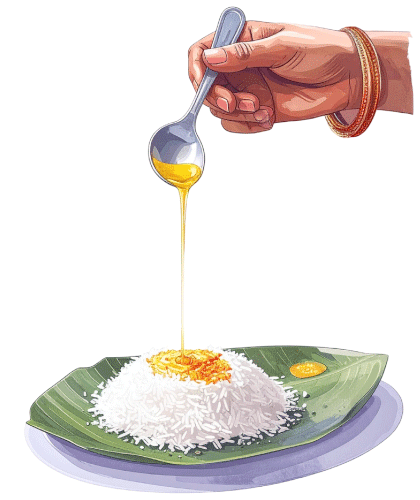
Elai Sapadu
A Meal, a Tradition, a Memory.
The Elai Sapadu or meals on a banana leaf is a feast served in traditional South
Indian style. Though it is an age old tradition, food in South Indian weddings
and festivals are served on the leaf even today. Each dish, placement, and aroma tells a story of heritage passed down through generations.
The actual practice calls for sitting on the floor, cross legged and eating with hands, sans cutlery. This enhances the dining experience and stimulates all the five senses, including touch.
The actual practice calls for sitting on the floor, cross legged and eating with hands, sans cutlery. This enhances the dining experience and stimulates all the five senses, including touch.
What to Expect in a Tamil Vegetarian Elai Saapadu
South Indian meal is a perfect balanced diet which accommodates, pulses, vegetables, roots, fruits, oil, sugar, in the right proportions making it a well balanced meal.
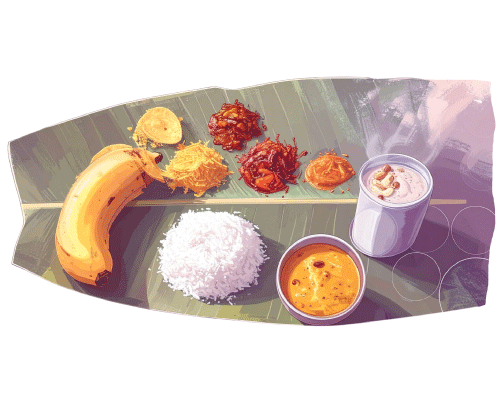
Core Elements and Sequence
Payasam
Thayir pachadi / pachadi (yogurt-based condiments)
Poriyal (thoran) — dry vegetable stir fry with coconut
Kootu / curry — vegetable + lentils, semi-gravy
Aviyal (mixed veggies with coconut and curd; a Kerala influence found often in Tamil feasts)
Varuval / vadai — fried items and crisp papads
Paruppu + ghee (dal with ghee) — often served in the middle-round
Sambar / Kuzhambu — main tangy stew for rice
Rasam — spiced broth
Curd / mor — to cool after rice & gravies
Pickle, appalam (papad), banana or fruit
Final sweet / extra payasam.
This layered sequence creates rhythm: Small Tastes → Heavy Flavors → Cooling Curd → Sweet Finish.
Regional Variations within Tamil Nadu
South Indian meal is a perfect balanced diet which accommodates, pulses, vegetables, roots, fruits, oil, sugar, in the right proportions making it a well balanced meal.
Kongu Belt / Kongunadu (Western Tamil Nadu)
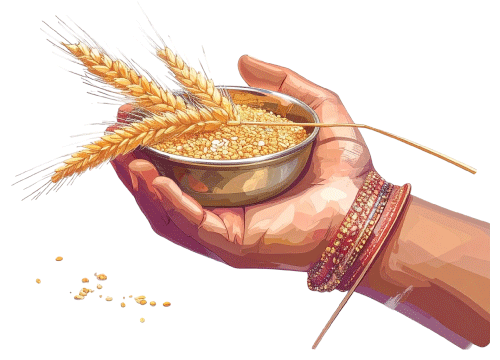
Rustic, hearty, millet and grain-forward menus with pepper, cumin, and fresh turmeric. Kongu virundhu emphasizes filling, comforting dishes (e.g., arisi-paruppu sappadu styles) and local pickles. It reliance on locally sourced ingredients like millets, country chicken, and freshwater fish makes it even special
What you’ll see on the leaf: Millets or rice, robust dal, peppery curries, crunchy fried items and less reliance on coconut in comparison to coastal regions.
What you’ll see on the leaf: Millets or rice, robust dal, peppery curries, crunchy fried items and less reliance on coconut in comparison to coastal regions.
Chettinad (Karaikudi region)
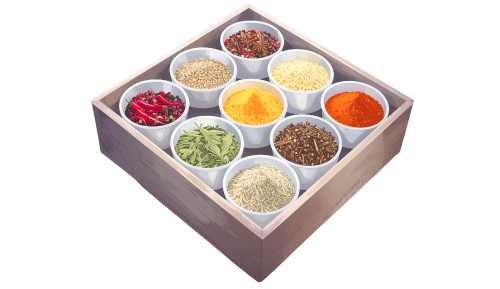
World-famous for bold, complex spice blends — the Chettiars’ trading history introduced exotic spices and techniques. Chettinad feasts are aromatic, assertive and can include generous use of freshly ground masala.
On the leaf: Expect richly spiced vegetable curries, fiery chutneys and distinctive pickles; in non-vegetarian households, meat or fish may appear on special occasions.
On the leaf: Expect richly spiced vegetable curries, fiery chutneys and distinctive pickles; in non-vegetarian households, meat or fish may appear on special occasions.
Madurai / Pandya Region
Temple-centric food culture: precise, ritualized offerings and traditional prasadam. Madurai spreads often lean on classical recipes and demonstrate temple kitchen influence.
On the leaf: Temple-style rice preparations (puliyodarai, pepper rice), simple kootus, and festival sweets.
On the leaf: Temple-style rice preparations (puliyodarai, pepper rice), simple kootus, and festival sweets.

Coastal Tamil Nadu & Kerala Border Influence
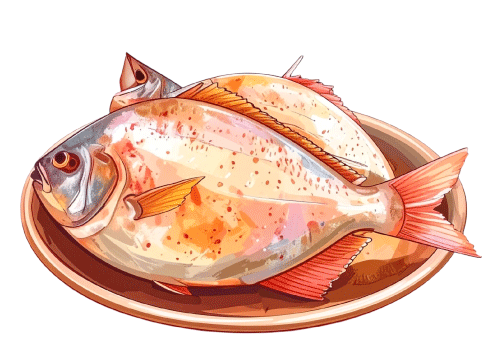
Coconut, mustard and seafood shape coastal plates. In fishing communities the leaf meal may include fish or prawn curries alongside vegetarian dishes — a hybrid of Tamil and Malabar influences.
On the leaf: Fish curry or meen kuzhambu appears in coastal feasts; avial, thoran and mor kuzhambu show Kerala’s influence.
On the leaf: Fish curry or meen kuzhambu appears in coastal feasts; avial, thoran and mor kuzhambu show Kerala’s influence.
Schedule your experience with us


- © Copyright BrandNew StudioWorks LLP
Your Experience is Reserved!
Thank you for choosing us
Contact us through our Whatsapp for further communication